Our Treatments
Looking for dental implants in Montreal? Seaforth Oral Surgery provides advanced implant solutions to replace one or more missing teeth, from single implants to full-arch restorations such as All-on-4. Our treatments are performed by oral and maxillofacial surgery specialists, with precise surgical planning for both straightforward and complex cases.
Explore Our Tailored Treatment Solutions
At Seaforth Oral Surgery, dental implants are placed by our experienced oral and maxillofacial surgeons—Dr. Antoine Chehade, Dr. Marc Shenouda, and Dr. Sina Hashemi—who have extensive experience in both straightforward and complex implant cases. Learn more about our team.
Our approach focuses on surgical precision, advanced planning, and long-term outcomes. We provide comprehensive implant care, from single-tooth replacement to full-arch solutions such as the All-on-4 method, tailored to each patient’s needs.
Implant procedures performed by oral and maxillofacial surgeons
Single implants, multiple implants, zygomatic implants, and full-arch restorations
3D imaging and precise surgical techniques for predictable results
Including bone loss, sinus lifts, and full-mouth rehabilitation
Sedation and anesthesia options for a safe and relaxed experience
Online consultation booking and personalized treatment planning
Payment options available through Affirm to make treatment more accessible
Find out if dental implants are right for you.
Our specialists provide implant solutions for both straightforward and complex cases requiring advanced surgical expertise.
Dental implants provide a long-lasting solution to replace one or more missing teeth. At Seaforth Oral Surgery, we offer implant solutions tailored to each clinical situation, from single-tooth replacement to full-arch restorations for more complex cases.
A single dental implant is the ideal solution to replace one missing tooth without affecting adjacent teeth. A titanium implant is placed in the jawbone and restored with a custom crown, providing a natural look and function.
For patients missing several teeth, multiple implants can be used to support bridges or partial restorations. This option offers greater stability and helps preserve bone structure compared to traditional dentures.
Full-arch dental implant solutions—also known as implant-supported denture solutions or fixed prosthesis options, including the All-on-4 method—allow patients to replace an entire upper or lower set of teeth using a limited number of implants. This approach provides a fixed, long-lasting alternative to removable dentures.
For patients with significant bone loss in the upper jaw, zygomatic implants offer an advanced alternative that can often eliminate the need for bone grafting. These specialized implants anchor in the cheekbone and are used in complex full-arch restorations.
The immediate dental implant temporization technique enables the placement of a temporary prosthetic tooth on the same day as the implants are inserted. This not only avoids subjecting patients to a healing period without a visible tooth, but also enhances comfort and aesthetics from the very beginning.
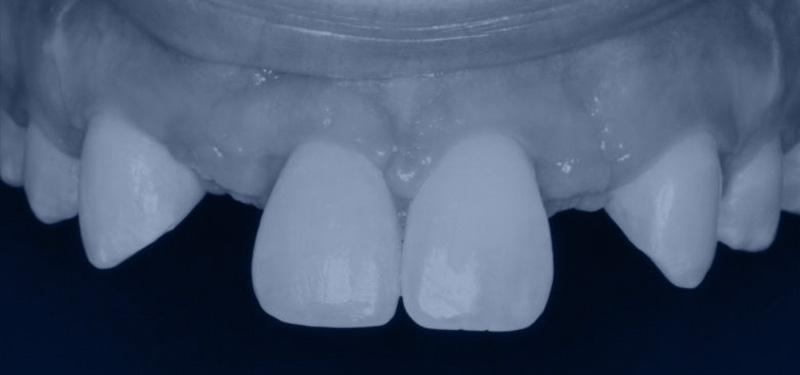
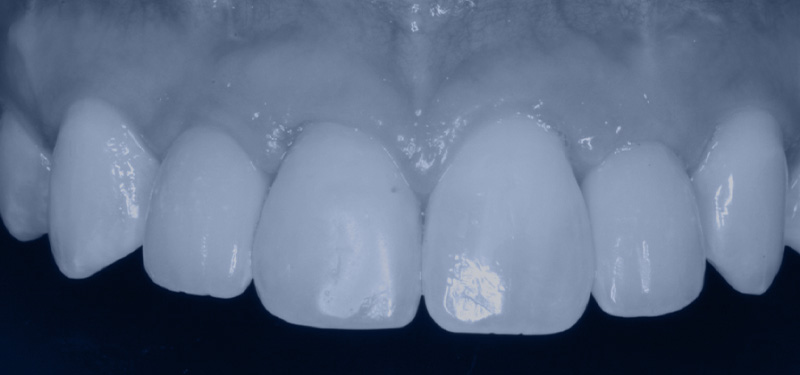
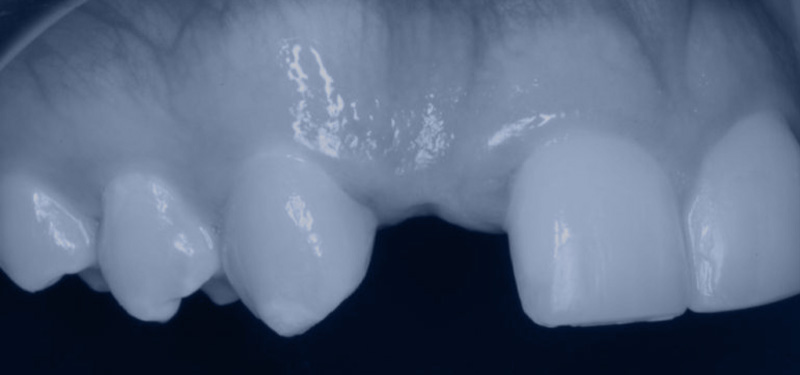
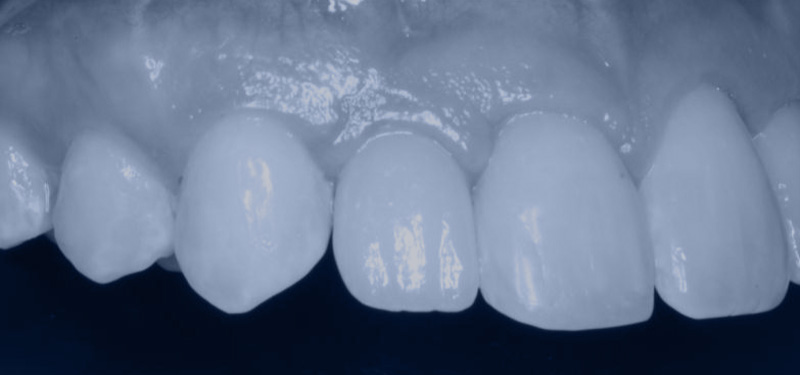
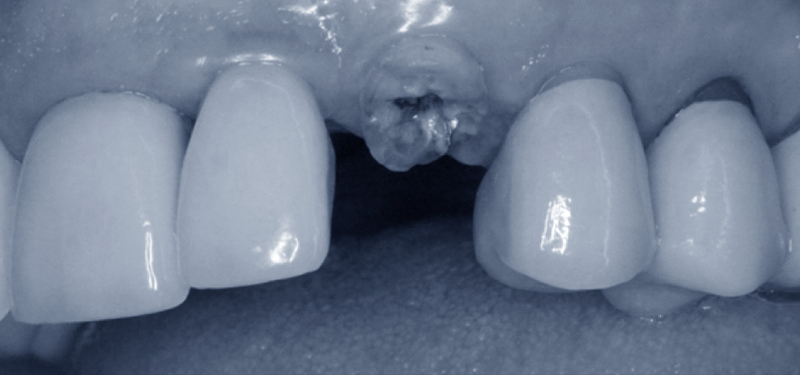
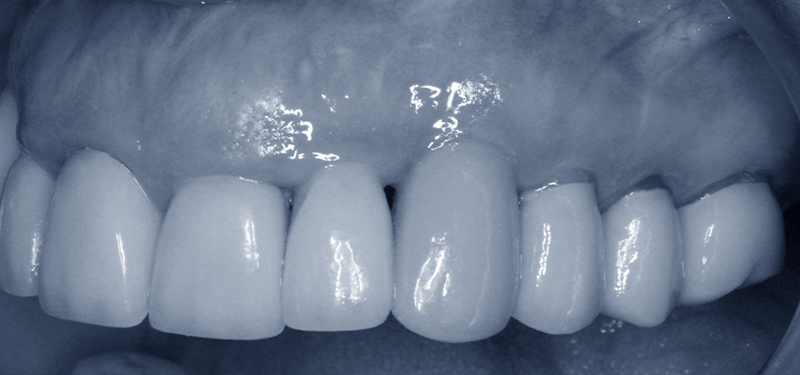
Your one-day fix for a smile that sticks.
Dental implants are an excellent solution for replacing missing teeth and restoring function to your mouth. If you’re missing teeth, dealing with damaged teeth, or looking for an alternative to dentures, you may be a good candidate.
Specifically, zygomatic implants are designed for patients who have insufficient bone in their upper jaw, offering a way to avoid bone grafting. Reach out to our specialists to find out if this solution is the right fit for you.
The cost of a single dental implant in Montreal typically ranges from $2,500 to $4,000. The total price depends on factors such as the number of implants needed, the type of restoration (single tooth, bridge, or full-arch), and whether additional procedures like bone grafting or sinus lifts are required.
Every case is different, so a personalized consultation is needed to determine the exact cost and treatment plan based on your oral health and goals.
To make dental implants more accessible, we offer flexible payment plans through Affirm, allowing you to spread the cost over time. Learn more here.
Dental implants can last 20 years or longer, and many last a lifetime with proper care. Their longevity depends on good oral hygiene, healthy gums, and regular dental check-ups.
Dental implants can replace one tooth, several teeth, or a full arch using solutions like implant bridges or All-on-X systems. Advanced options like zygomatic implants are available for patients with severe bone loss.
Dental implants are fixed, stable, and feel more like natural teeth, while dentures can move or slip. Implants also help prevent jawbone loss, which dentures do not address.
Dental implants are cared for by brushing twice daily, flossing, and attending regular dental visits. Keeping the gums healthy is essential to prevent infection around the implant.
A single dental implant in Montreal typically costs between $2,500 and $4,000. The total cost can increase if additional procedures like bone grafting or sinus lifts are needed.
Initial healing usually takes 1 to 2 weeks, while full bone integration can take 3 to 6 months. Healing time varies depending on overall health and whether additional procedures were required.
Dental implant surgery is usually not painful because local anesthesia or sedation is used. After the procedure, mild pain or swelling is common but typically manageable with medication.
Common signs include persistent pain, swelling, gum infection, or a loose implant. These symptoms require prompt evaluation to prevent further complications.
Dental implants can stabilize loose dentures and significantly improve chewing ability. Implant-supported dentures provide a more secure and comfortable fit than removable options.
Many patients with bone loss can still get implants using techniques like bone grafting or zygomatic implants. A dental evaluation is required to determine the best approach.
A missing tooth can lead to bone loss, shifting teeth, and bite problems over time. This may also affect facial structure and make future treatments more complex.
Dental implants are a safe and well-established treatment with success rates above 95%. They are made from biocompatible materials that integrate with the jawbone.
You may need a dental implant if you have a missing, severely damaged, or non-restorable tooth. A dental exam is required to confirm the best treatment option.
Dental implants are available at oral surgery clinics and specialized dental centres across Montreal. Choosing an experienced provider who offers advanced techniques and personalized treatment planning is important for long-term success.
Dental implant treatment is a multi-step process designed to ensure long-term success and stability. At Seaforth Oral Surgery, your treatment is carefully planned and performed by oral and maxillofacial surgeons using advanced imaging and surgical techniques. Our dental implant procedures in Montreal include comprehensive consultations, cutting-edge implant technology, and personalized care. Whether you need a single tooth replacement or a full arch restoration, our Montreal implant dentistry experts are here to help.
Medication
Clothing
It is important to follow these precautions:
As a patient, you can expect quality care from a team that truly cares. We provide cutting-edge clinical care in an environment that is friendly, comforting and convenient.
Spread out your payments with