We specialize in surgical solutions for your jaw-related concerns, including orthognathic surgery and TMJ surgery. If you’re looking for reliable jaw surgery in Montreal, our team is here to help.
For your peace of mind, we offer multiple sedation options tailored to your needs.
We employ modern technology, including digital planning, to ensure precise and effective procedures.
Our maxillofacial surgeons specialize in orthognathic surgery and the treatment of TMJ disorders.
We’re dedicated to excellence, consistently delivering reputable and reliable results.
Experience personalized care and prompt access to essential services and treatments.
Orthognathic surgery is recommended for individuals dealing with bite problems and jaw misalignments. Conditions that may necessitate corrective jaw surgery include:
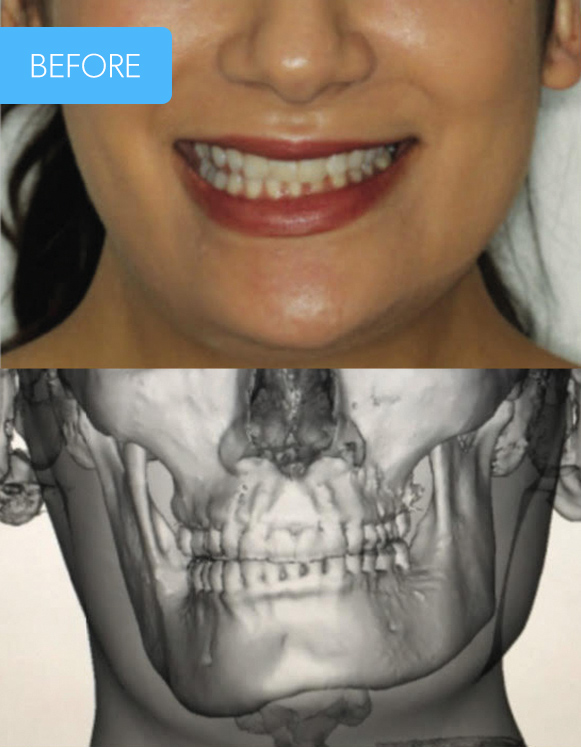
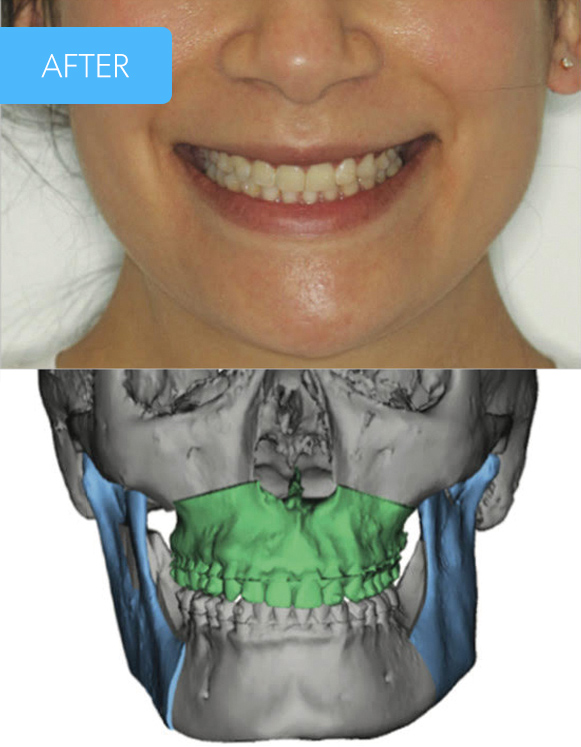
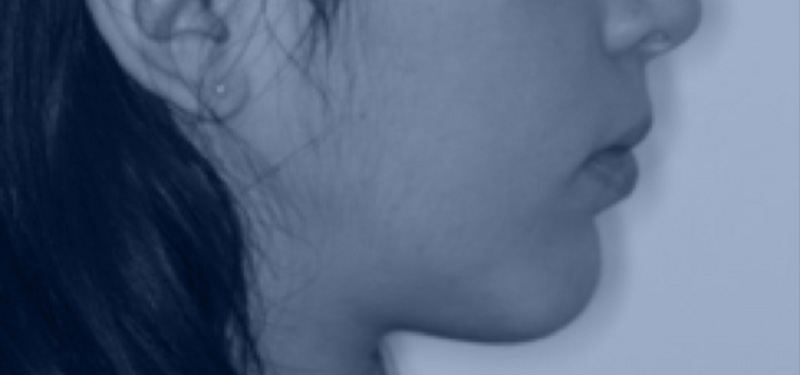
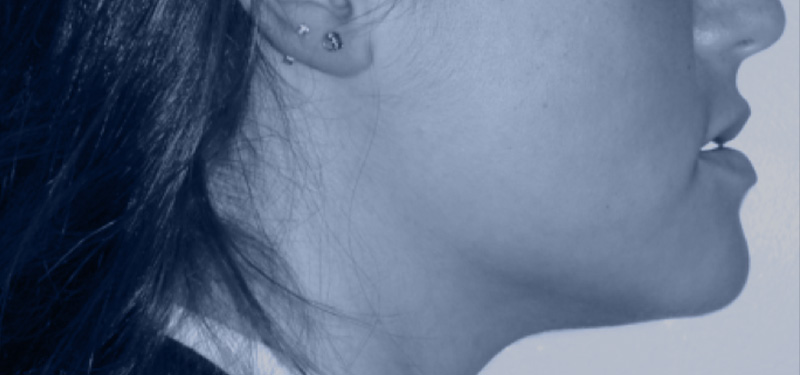
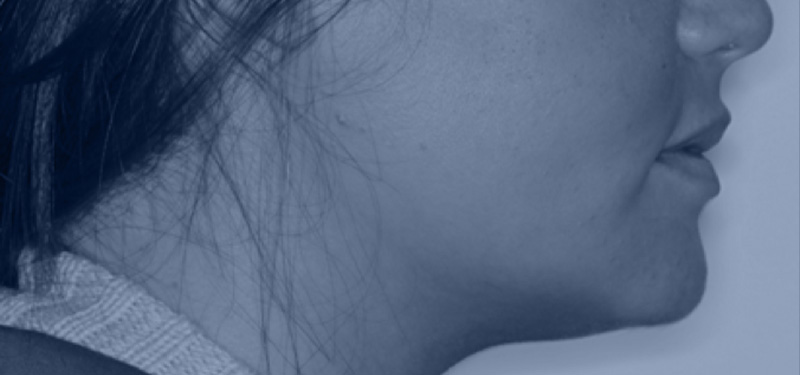
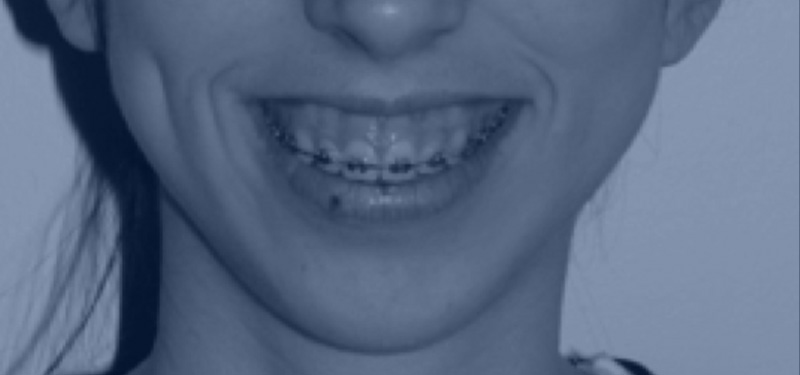
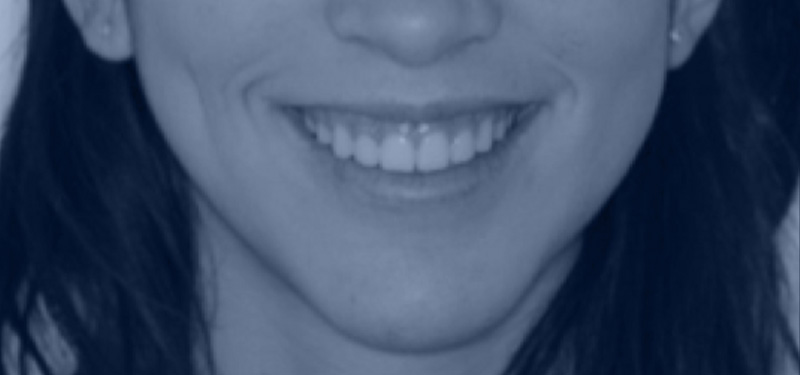
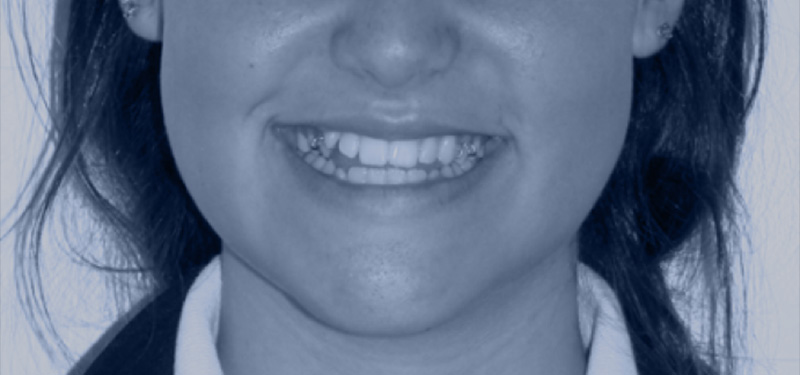
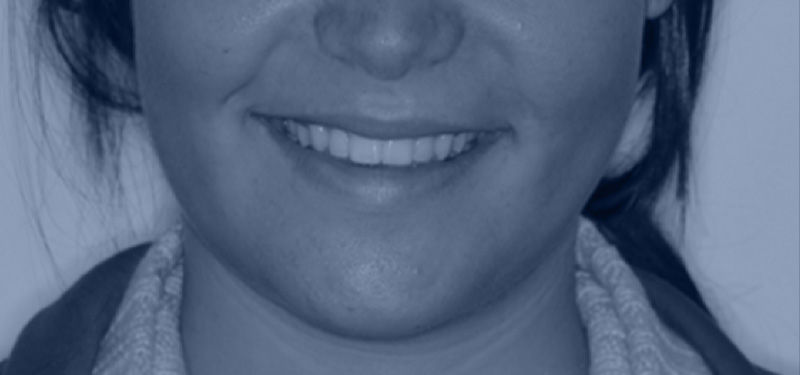
For more information, please contact us or view our section below on post-surgery care.
A misaligned jaw can be caused by differences in jaw growth or bite issues. This can lead to discomfort, facial asymmetry, and difficulty with everyday functions like chewing or speaking.
Common symptoms include difficulty chewing, jaw pain, chronic headaches, clicking or locking of the jaw, and bite problems. These issues often cannot be fully corrected with braces alone.
Difficulty chewing is often caused by a misaligned bite where the upper and lower teeth do not meet correctly. This can put extra strain on your jaw muscles and affect digestion.
Yes, jaw misalignment can strain muscles and joints, leading to frequent headaches or facial pain. These symptoms are often linked to temporomandibular joint (TMJ) issues.
Corrective jaw surgery is a procedure that repositions the upper jaw, lower jaw, or both to improve function and alignment. It is often combined with orthodontic treatment for optimal results.
No, the surgery is performed under general anesthesia, so you do not feel pain during the procedure. After surgery, discomfort is expected but can be managed with prescribed medication.
Initial recovery usually takes 1 to 2 weeks, during which swelling and discomfort gradually improve. Full healing and final results can take several months.
Yes, swelling is normal and typically peaks within the first few days after surgery. It gradually decreases over the following weeks.
Yes, jaw surgery can improve facial balance and symmetry by correcting underlying structural issues. Many patients notice a more harmonious and natural appearance.
Yes, in some cases, correcting jaw position can improve airway space and make breathing easier. This may benefit patients with sleep-related breathing issues.
A soft or liquid diet is usually required for several weeks to allow proper healing. Your surgeon will guide you on when to gradually return to normal foods.
Signs may include increasing pain, excessive swelling, fever, or difficulty breathing. If you experience these symptoms, contact your surgical team immediately.
Yes, orthodontic treatment is typically needed before and after surgery to properly align the teeth. This ensures the best functional and aesthetic outcome.
Yes, corrective jaw surgery is often used to treat severe underbites, overbites, and open bites. It repositions the jaws to improve both function and appearance.
Persistent jaw pain, difficulty opening or closing your mouth, or clicking and locking may indicate a structural issue. An evaluation can determine if surgery or another treatment is needed.
Also note the following:
After the surgery you will be given a liquid diet.
Your choice of foods can include:
You should not attempt to brush your teeth for the first week, as it will be very difficult due to the swelling. As soon as you feel able to you should:
The most apparent event immediately after surgery is facial swelling, the extent of which can vary from patient to patient. You should expect a significant amount of swelling over your cheeks and down your neck.
Bruising is normal and expected after jaw surgery. It may extend to your upper cheeks or eyes and from your lower cheeks down to your neck.
You may walk around but should limit your activity.
**Your swelling and bruising will generally peak on Day 4 post-surgery and will then begin to diminish.**
It is very common for your surgeon to apply elastics to the hooks on your braces to control your bite.
Your surgeon will prescribe an anti-inflammatory medication such as ibuprofen or another pain medication containing codeine.
It is critically important to keep your mouth clean:
During these first few days after surgery, your swelling will decrease very quickly. The bruising will also disappear.
It is very important to get as much rest as possible in the initial few days after your surgery. This will stimulate the healing process.
**In this phase, you need to begin exercising your jaws to increase their range of motion so they can get back normal functioning.**
You should continue the diet of liquid and puréed foods as described in Phase II.
You can begin brushing the braces, using a new toothbrush with a small amount of toothpaste, for a period of at least 15 to 20 minutes in the evening before bedtime.
By the second or third week after surgery most of the swelling will have disappeared.
**At this stage, your body has recovered from the surgery!**
After your splint has been removed between 4 to 6 weeks after your surgery, you may start adding soft foods to your diet including soft fish, cooked vegetables, soft pasta and rice.
As a result of your limited food intake, it is normal to experience weight loss of up to 10 % of your original body weight during the first two to three weeks after jaw surgery.
You will learn exercises to improve your jaw joint function, that is, the opening and closing of your mouth.
As a patient, you can expect quality care from a team that truly cares. We provide cutting-edge clinical care in an environment that is friendly, comforting and convenient.
Spread out your payments with